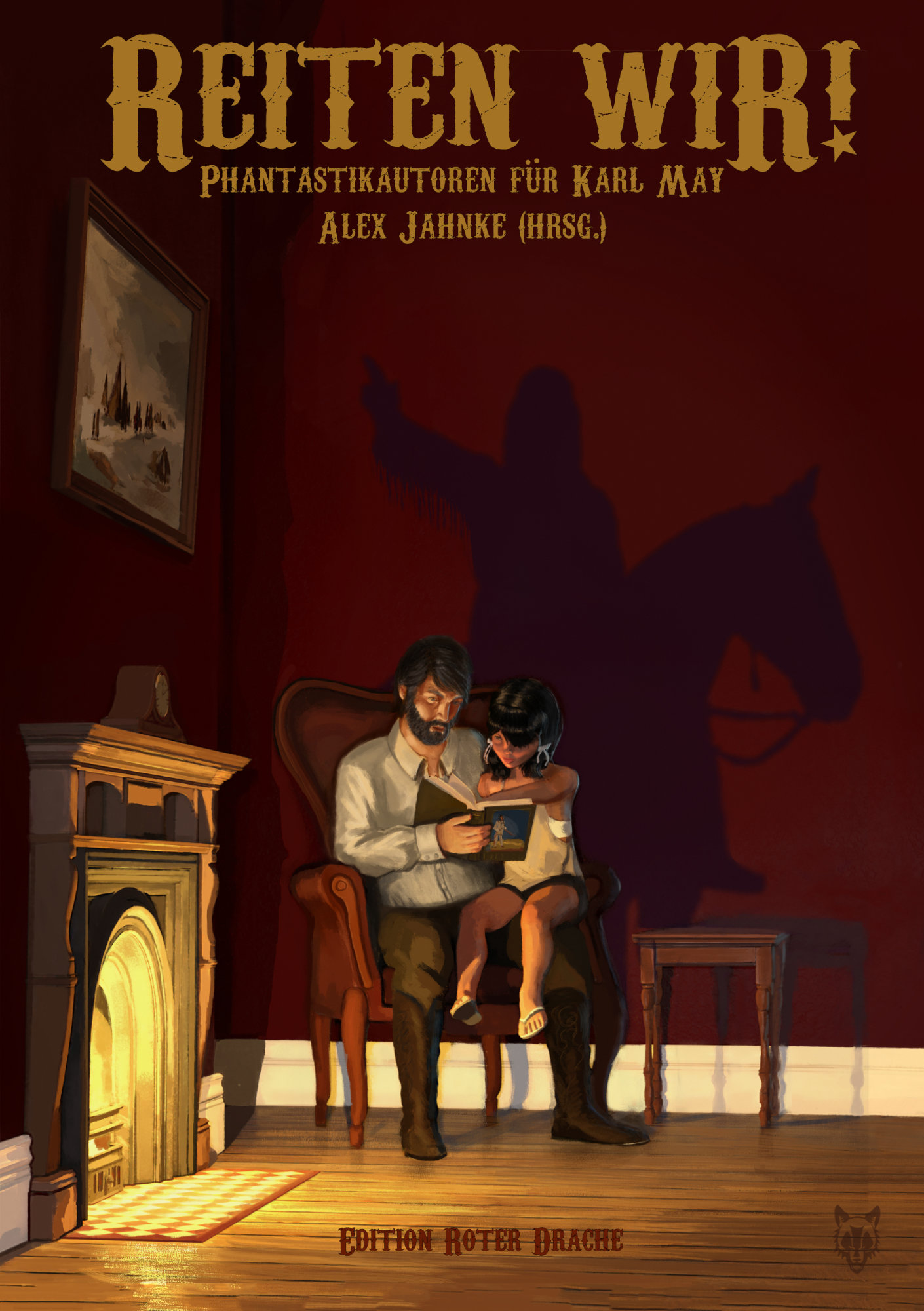
Imaginary wild west at the wild west theme park, Boskovice, Czech Republic
As I posted earlier, I’ve been asked to write the Foreword to

Imaginary wild west at the wild west theme park, Boskovice, Czech Republic
As I posted earlier, I’ve been asked to write the Foreword to


Me in front of the ruined Great Synagogue in Kalvarija, Lithuania — the town my great-grandparents came from. Photo: Samuel D. Gruber
February 2017 marks the fifth anniversary that www.jewish-heritage-europe.eu — the web site that I run as a project of the Rothschild Foundation Hanadiv Europe — has been online.
In a lengthy interview with Liam Hoare of eJewish Philanthropy, I reflect on developments since I’ve been involved with Jewish heritage work — where we’ve been, and where we may be going.
By Liam Hoare
eJewish Philanthropy
Since its launch five years ago, Jewish Heritage Europe has become an essential one-stop shop for news, information, and resources concerning, as the name indeed suggests, matters of Jewish culture and built heritage in Europe: museums; synagogues; cemeteries, and so on. Ruth Ellen Gruber, the author of Virtually Jewish: Reinventing Jewish Culture in Europe who has chronicled Jewish life in Europe for over twenty-five years for the JTA among other places, edits the site, which is supported by the Rothschild Foundation (Hanadiv) Europe. Here, I talk with Gruber about the site
In June, I spoke at the big conference on Jewish Cultural Heritage held at the POLIN Museum in Warsaw — it was three days after my eye operation so I wasn’t 100 percent, but here is the full talk.

RG and REG – at the launch of my first book, in New York in 1992
My namesake, the noted author and photojournalist Ruth Gruber, has died at the age of 105 after a remarkable life and career.
In a JTA article, I reminisced about how for decades people had confused us and conflated our biographies.
November 21, 2016
(JTA) — When you share a name with someone you respect and admire, you always try to live up to the connection, because sometimes outsiders aren

Me at the map of the Budapest Ghetto, at the Ghetto Memorial in the city’s 7th District
My article on my (sort of) personal connection to the Yellow Star Houses in Budapest has been published in the Jewish Quarterly.


 Access article on TandF web site
| This is a cross post from my blog sauerkrautcowboys.blogspot.com
|
In late October I spent an afternoon at a country western festival in Bologna, Italy. It was the very last day of the two weekends that the festival took place, and I was eager to see what it was like: though I have been to wild west and country festivals in Germany, Austria, Switzerland, France and the Czech Republic, I have only been to a couple of them in Italy.
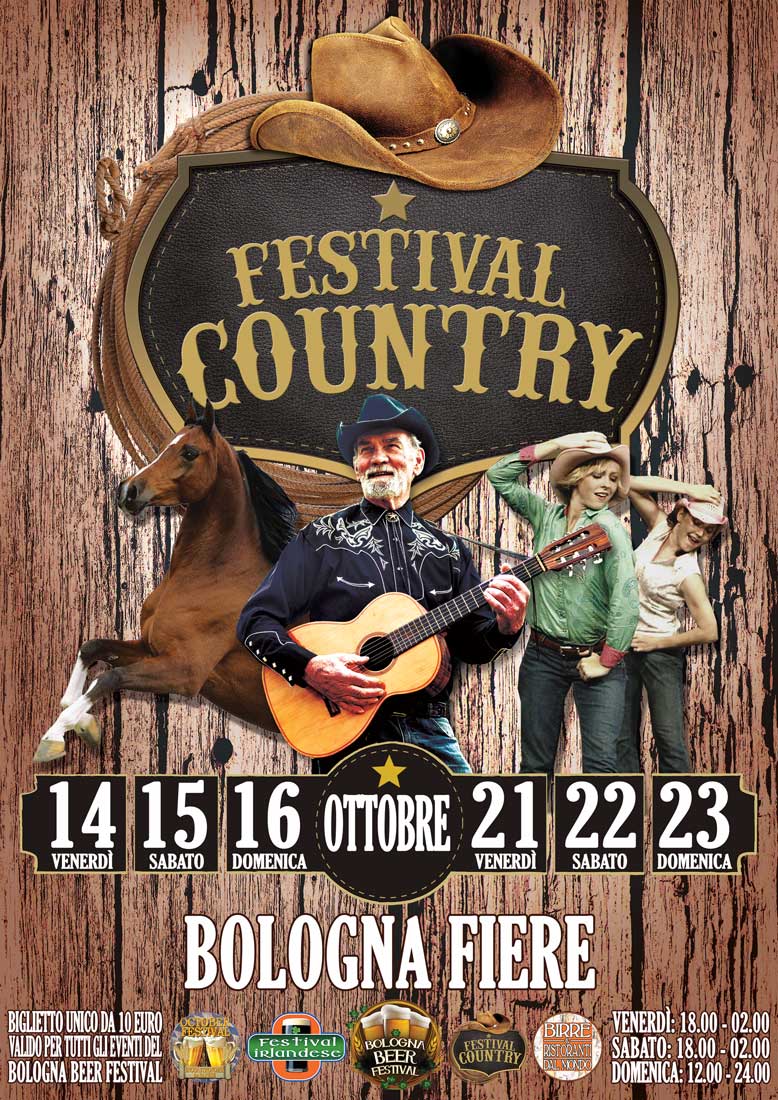
This one, called “Festival Country,” took place at the Bologna Fairgrounds, and it shared space in a cavernous hall with a sort of “October Fest” beer festival (featuring what was presented as German food). In a separate cavernous hall there was a so-called “Irish Festival:” vaguely Celtic music, and stalls that mainly seemed to sell “Lord of the Rings” type clothing…..

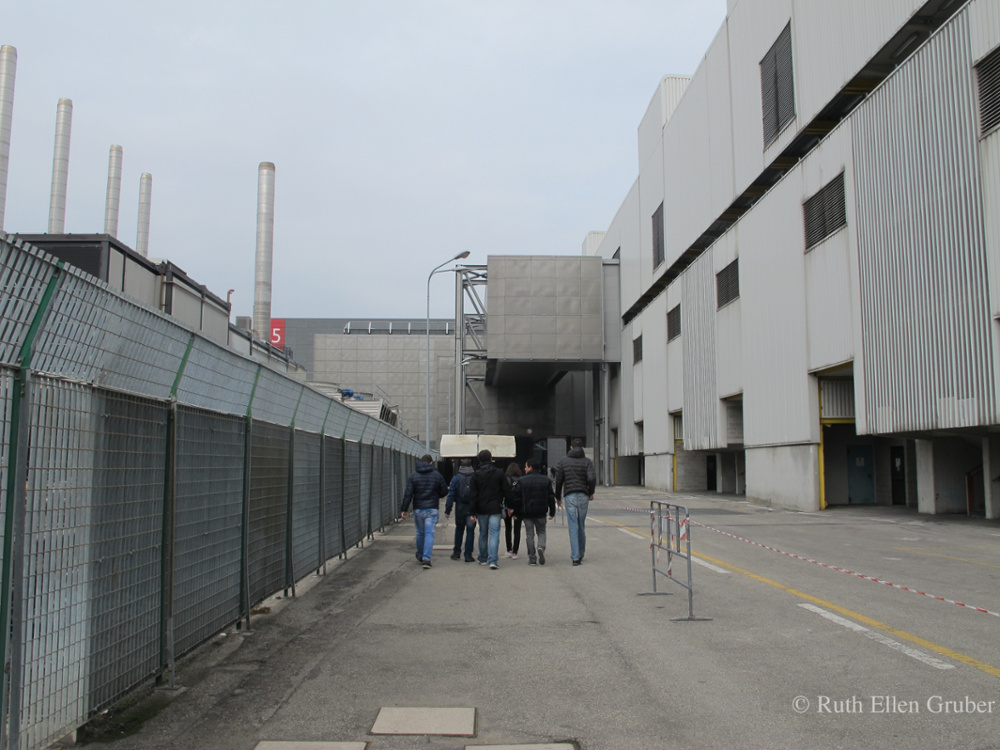
The path to all three led through the grim industrial landscape of the Fair buildings…..
Once there, what did I find?
The scene — at least on the day I was there — was a sort of distillation of all the most common stereotypes associated with “the west,” “the frontier,” “country-western,” and, in a certain way, “America.”
Along with a team of other writers, I’ve won a first-place Rockower award — the annual award for Jewish journalism — for a Hadassah Magazine report on anti-Semitism in Europe. The awards will be presented November 15 in DC.
Category 11:
Hadassah Magazine runs two articles by me about Venice — one on the 500th anniversary of the founding of the Venice Ghetto, and one on general sight-seeing tips for the Lagoon City.

Venice, 500 Years of the Ghetto
By Ruth Ellen Gruber, August 2016
Venice university professor Shaul Bassi stops beneath an elegant marble plaque affixed to an inner wall of the Jewish community building just off the Campo del Ghetto Nuovo, the

I took part in a symposium Jan. 10 at the Center for Jewish History in New York that celebrated the publication of a special double issue of the journal East European Jewish Affairs that was devoted to new Jewish museums in the 21st century.
Post-Communist Eastern Europe is experiencing a museum boom as it explores new definitions of national identities not possible under communism. This has generated a wholesale revival of interest in Jewish culture and institutions on the part of non-Jews, paradoxically, in the near absence of Jewish populations. The Jewish Museum and Tolerance Center in Moscow and Museum of the History of Polish Jews in Warsaw are prime examples of this trend, but there are many others.
I have an article in the journal called “Reportage: Beyond Prague